

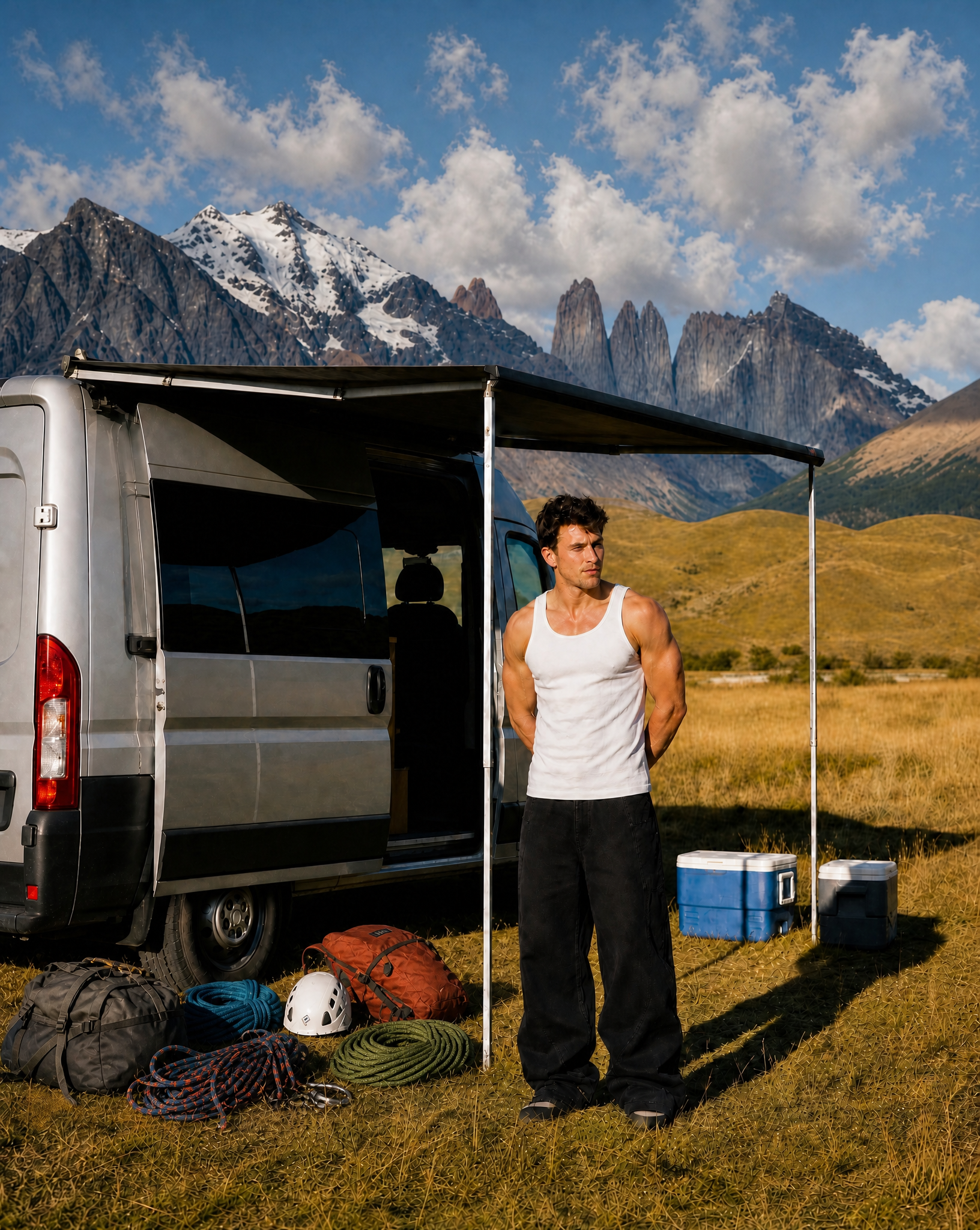
The Fabric Choices Behind Climbing Clothes: Cotton vs Nylon vs Polyester
Why Problem Child backs cotton for softness, sustainability, and long‑lasting durability.
Cotton: Natural Softness, Low Microplastics, and Strong Eco Credentials

Cotton is a plant‑based, biodegradable fibre — a rarity in an apparel landscape dominated by synthetics. When grown organically, it avoids the pesticides and chemical fertilisers used in conventional cotton farming.
Performance Benefits
- Softness & comfort: Cotton fibres naturally feel comfortable against the skin, ideal for long climbing sessions.
- Breathability: Cotton allows airflow, reducing overheating during warm‑weather climbing.
- Durability: While not as abrasion‑proof as nylon, cotton ages gracefully and softens over time.
Environmental Impact
- Cotton is 100% biodegradable, breaking down in months rather than centuries.
- Organic cotton farming uses 91% less water than conventional cotton farming (Textile Exchange).
- Cotton sheds zero microplastics, a major advantage over synthetics.
Problem Child prioritises cotton because it feels better, reduces reliance on petroleum‑based fibres, avoids microplastic pollution, and offers long‑lasting wear and wash durability. Our bestselling bouldering pants, the Keg Leg, are majority-cotton-constructed, with future variants targeting 100% natural materials.
Nylon: The Powerhouse of Strength and Abrasion Resistance

Nylon is a synthetic fibre created from petrochemicals. It’s widely used in outdoor gear because of its exceptional strength‑to‑weight ratio.
Performance Benefits
- Extreme durability: Nylon is one of the most abrasion‑resistant fibres available.
- Lightweight: Ideal for climbers who want minimal bulk.
- Water‑resistant: Nylon dries quickly and can be engineered to repel moisture.
Environmental Impact
- Nylon production emits nitrous oxide, a greenhouse gas 300× more potent than CO₂.
- Nylon is not biodegradable, persisting in landfills for centuries.
- Washing nylon garments releases microplastics, contributing to ocean pollution.
Nylon excels in backpacks, harnesses, and technical outerwear — but for everyday climbing apparel, its environmental cost makes it less appealing for sustainability‑focused brands.
Polyester: Moisture‑Wicking, Versatile, but Microplastic‑Heavy

Polyester is another petroleum‑derived synthetic fibre, prized for its moisture‑management properties.
Performance Benefits
- Moisture‑wicking: Polyester pulls sweat away from the skin, keeping climbers dry.
- Lightweight & durable: It resists stretching and shrinking.
- Quick‑drying: Ideal for humid or high‑output climbing sessions.
Environmental Impact
- Polyester is non‑biodegradable and contributes significantly to microplastic pollution.
- Producing polyester requires 2–3× less water than cotton but far more energy.
- Recycled polyester (rPET) reduces emissions by up to 45%, but still sheds microplastics.
Polyester is ideal for base layers and performance tops, but its environmental footprint makes it less attractive for brands prioritising natural fibres.
Side‑by‑Side Fabric Comparison

| Property | Cotton | Nylon | Polyester |
|---|---|---|---|
| Source | Plant‑based | Petrochemical | Petrochemical |
| Biodegradable | Yes | No | No |
| Microplastic Shedding | None | Yes | Yes |
| Durability | Moderate | Very high | High |
| Moisture Management | Low | Moderate | High |
| Environmental Impact | Low (esp. organic) | High | High (lower for rPET) |
| Feel Against Skin | Soft, natural | Smooth, synthetic | Smooth, synthetic |
Why Problem Child Prioritises Cotton
Problem Child’s commitment to cotton — particularly organic cotton — is rooted in three core values:
1. Softness & Comfort
Cotton simply feels better. For climbers spending hours on the wall, comfort matters as much as performance.
2. Eco‑Friendliness
By choosing natural fibres, Problem Child reduces reliance on petroleum‑based synthetics and avoids contributing to microplastic pollution.
3. Durability That Ages Gracefully
Cotton may not match nylon’s raw abrasion resistance, but it lasts long, washes well, and softens over time — making it ideal for everyday climbing apparel.
Final Thoughts
Fabric choice in climbing apparel is a balancing act between performance, comfort, and sustainability. Nylon and polyester dominate the technical space thanks to their strength and moisture management, but they come with significant environmental costs.
Cotton — especially organic cotton — offers a natural, breathable, biodegradable alternative that aligns with the values of modern climbers and environmentally conscious brands.
For Problem Child, prioritising cotton isn’t just a design choice — it’s a statement about what the future of climbing apparel should look like: comfortable, durable, and environmentally responsible.